Exploring the realm of truck maintenance, this article delves into the common problems faced by truck owners and the solutions to keep these vehicles running smoothly. From engine maintenance to tire care, get ready to uncover essential tips and insights for maintaining your truck's performance.
Common Truck Maintenance Problems
Trucks are essential vehicles for transporting goods and materials, but they require regular maintenance to ensure optimal performance and safety. Neglecting proper maintenance can lead to a variety of common issues that can impact a truck's overall functionality and longevity.
Lack of Regular Oil Changes
One of the most common maintenance problems for trucks is the lack of regular oil changes. Over time, dirty or old oil can lead to engine damage, reduced fuel efficiency, and even total engine failure.
Worn Out Brakes
Another frequent issue is worn-out brakes. Failing to replace brake pads and rotors can result in longer stopping distances, reduced braking power, and ultimately, a higher risk of accidents.
Overheating Engine
Trucks often face overheating engine problems due to issues like coolant leaks, malfunctioning thermostats, or clogged radiators. This can lead to engine damage, reduced performance, and even a breakdown on the road.
Electrical System Failures
Electrical system failures are also common in trucks, causing problems with lights, sensors, and other vital components. Ignoring these issues can lead to safety hazards and operational issues.
Engine Maintenance
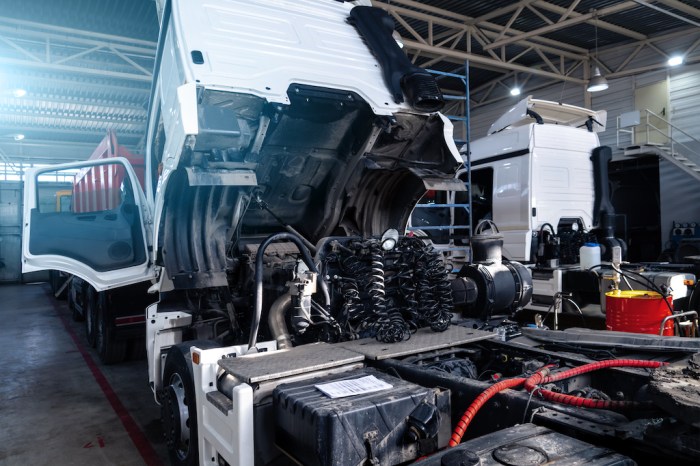
Regular engine maintenance is crucial for trucks to ensure optimal performance, fuel efficiency, and longevity. Neglecting engine maintenance can lead to costly repairs, breakdowns, and even accidents on the road.To identify signs of engine problems in trucks, drivers should pay attention to warning lights on the dashboard, unusual noises such as knocking or rattling, decreased power or acceleration, excessive smoke from the exhaust, and changes in fuel efficiency.
Regularly checking the oil level, coolant level, and listening for any abnormal sounds while driving can help detect issues early.
Methods for Maintaining a Truck’s Engine
- Regular oil changes: Changing the oil and oil filter at recommended intervals helps keep the engine lubricated and running smoothly.
- Air filter replacement: A clean air filter promotes proper air flow to the engine, improving performance and fuel efficiency.
- Spark plug inspection: Checking and replacing spark plugs as needed ensures proper ignition and combustion in the engine.
- Cooling system maintenance: Flushing the cooling system and checking for leaks prevents overheating and engine damage.
Tips for Extending the Lifespan of a Truck’s Engine
- Follow the manufacturer's maintenance schedule: Regularly servicing the engine according to the manufacturer's recommendations can prevent major issues.
- Avoid overloading the truck: Excessive weight puts strain on the engine and other components, leading to premature wear and tear.
- Drive smoothly: Avoid aggressive driving habits such as rapid acceleration or hard braking, which can stress the engine.
- Monitor engine temperature: Keep an eye on the temperature gauge to prevent overheating, which can cause serious damage to the engine.
Brake System Maintenance
Maintaining a truck's brake system is crucial for the safety of the driver, passengers, and other road users. The brake system plays a vital role in stopping the vehicle efficiently and effectively, especially when carrying heavy loads or driving on steep terrain.
Regular maintenance of the brake system can help prevent accidents and ensure optimal performance when on the road.
Common Brake System Issues in Trucks
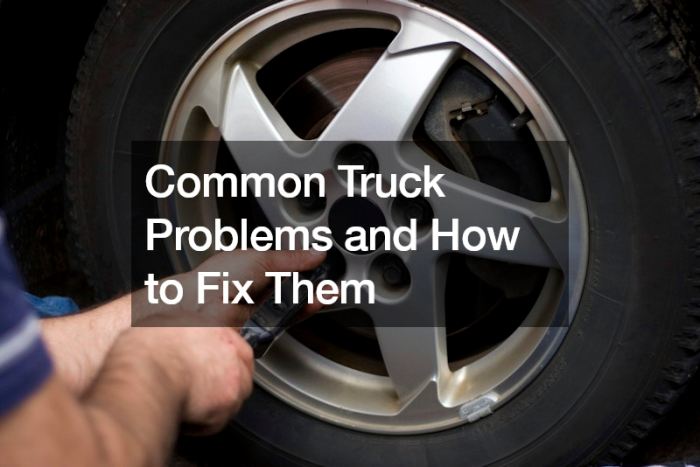
- Worn Brake Pads: Over time, brake pads can wear out and need to be replaced to maintain proper braking efficiency.
- Brake Fluid Leaks: Leaks in the brake fluid system can lead to a loss of hydraulic pressure, affecting the braking performance of the truck.
- Brake Caliper Problems: Issues with the brake calipers, such as sticking or uneven wear, can impact the braking system's effectiveness.
- Brake Rotors Wear: Brake rotors can become warped or worn out, causing vibrations or noise when braking and reducing stopping power.
Step-by-Step Guide for Checking and Maintaining a Truck’s Brakes
- Inspect Brake Pads: Check the thickness of the brake pads and replace them if they are worn down.
- Check Brake Fluid Levels: Ensure the brake fluid reservoir is filled to the recommended level and check for any leaks.
- Inspect Brake Rotors: Look for signs of wear or warping on the brake rotors and replace them if necessary.
- Check Brake Lines: Inspect the brake lines for any signs of damage or leaks that could affect brake performance.
- Test Brake Operation: Test the brakes by driving at a safe speed and applying the brakes to check for any unusual noises or vibrations.
Tips for Ensuring Optimal Brake Performance in Trucks
- Follow Recommended Maintenance Schedule: Regularly service and inspect the brake system according to the manufacturer's guidelines.
- Avoid Overloading: Avoid exceeding the truck's weight capacity to prevent unnecessary strain on the brakes.
- Practice Gentle Braking: Avoid harsh braking whenever possible to prolong the life of the brake components.
- Listen for Warning Signs: Be attentive to any unusual noises or sensations while braking, such as squeaking or grinding, and address them promptly.
Tire Maintenance
Proper tire maintenance is crucial for trucks to ensure optimal performance, fuel efficiency, and overall safety on the road. Neglecting tire maintenance can lead to costly repairs, decreased fuel economy, and even accidents.
Common Tire Problems Faced by Truck Owners
- Uneven tire wear: This can be caused by improper tire inflation, misalignment, or suspension issues.
- Tire punctures: Sharp objects on the road can lead to punctures, affecting tire pressure and overall performance.
- Tire blowouts: Overloading, underinflation, or hitting potholes can result in tire blowouts, posing a serious safety risk.
- Tire dry rot: Exposure to sunlight, heat, and ozone can cause tires to deteriorate and develop cracks, reducing their lifespan.
Impact of Tire Maintenance on Fuel Efficiency and Safety
Proper tire maintenance, including regular inspection, rotation, and alignment, can significantly improve fuel efficiency by ensuring even tire wear and proper inflation. Well-maintained tires also provide better traction, handling, and braking, enhancing overall safety on the road.
Detailed Guide on Checking and Maintaining Truck Tires Effectively
- Check tire pressure regularly using a tire pressure gauge and keep them inflated to the manufacturer's recommended levels.
- Inspect tires for signs of wear, cuts, bulges, or punctures, and replace them if necessary.
- Rotate tires every 5,000 to 8,000 miles to promote even wear and extend tire life.
- Ensure proper wheel alignment to prevent uneven tire wear and improve handling.
- Consider investing in high-quality tires suitable for your driving conditions to enhance performance and safety.
Final Review
As we wrap up our discussion on common truck maintenance problems and solutions, remember that regular upkeep is key to ensuring your truck's longevity and efficiency. By addressing these issues promptly, you can enjoy a smooth and safe driving experience.
Commonly Asked Questions
What are the signs of engine problems in trucks?
Common signs include strange noises, decreased power, and unusual exhaust smoke.
How often should truck tires be checked for maintenance?
It's recommended to check tire pressure and tread wear at least once a month.
What impact does neglecting brake system maintenance have on trucks?
Neglecting brake maintenance can lead to decreased braking efficiency and safety hazards.