
Wells Fargo Auto Refinance vs. New Loan — What’s Better? sets the stage for this enthralling narrative, offering readers a glimpse into a story that is rich in detail with casual formal language style and brimming with originality from the outset.
As we delve into the comparison between Wells Fargo Auto Refinance and a New Loan, we uncover the nuances of each option to help you make an informed decision regarding your vehicle financing needs.
Understanding Auto Refinance vs. New Loan
When it comes to managing your car loan, you may find yourself considering whether to refinance your existing auto loan or take out a new loan for a different vehicle. Both options have their own set of pros and cons, so it's essential to understand the differences between auto refinance and new car loans before making a decision.
Auto Refinance
Auto refinance involves replacing your current car loan with a new loan, typically with better terms such as a lower interest rate, extended loan term, or reduced monthly payments. This can help you save money over the life of the loan and improve your financial situation.
- Benefits of Auto Refinance:
- Lower interest rates than the original loan
- Potential for reduced monthly payments
- Opportunity to improve credit score
- Drawbacks of Auto Refinance:
- May extend the loan term, resulting in more interest paid over time
- Additional fees may be involved in the refinancing process
- It may not be beneficial if the current loan has already low interest rates
New Loan
Taking out a new car loan involves securing financing for a different vehicle, whether it's a brand new car or a used one. This option allows you to start fresh with a new loan agreement, potentially with better terms or a different lender.
- Benefits of Taking Out a New Loan:
- Ability to choose a different vehicle
- Potential for promotional interest rates or incentives
- No need to deal with the process of refinancing
- Drawbacks of Taking Out a New Loan:
- May require a down payment or trade-in of your current vehicle
- Starting a new loan agreement from scratch
- Higher interest rates compared to refinancing options
Factors to Consider
When deciding between auto refinance and a new loan, there are several factors that come into play. Your credit score, current interest rates, and individual financial goals all play a role in determining the best option for you.Credit Score and Current Interest Rates:Your credit score is a significant factor in determining the interest rate you will qualify for when refinancing or taking out a new loan.
If your credit score has improved since you initially financed your vehicle, you may be eligible for a lower interest rate through refinancing. On the other hand, if your credit score has decreased, it may be better to stick with your current loan or explore other options.Example Situations:
1. Lower Interest Rates
If interest rates have dropped significantly since you first financed your vehicle, you may benefit from refinancing to secure a lower rate. This can save you money in the long run and lower your monthly payments.
2. Improved Credit Score
If you have taken steps to improve your credit score since getting your initial loan, you may qualify for a better interest rate through refinancing. This can help you save on interest costs over the life of the loan.
3. Shorter Loan Term
If you are looking to pay off your vehicle sooner, refinancing into a shorter loan term can help you save on interest and become debt-free faster.Overall, carefully considering your credit score, current interest rates, and financial goals can help you determine whether auto refinance or a new loan is the better choice for your situation.
Process of Auto Refinance
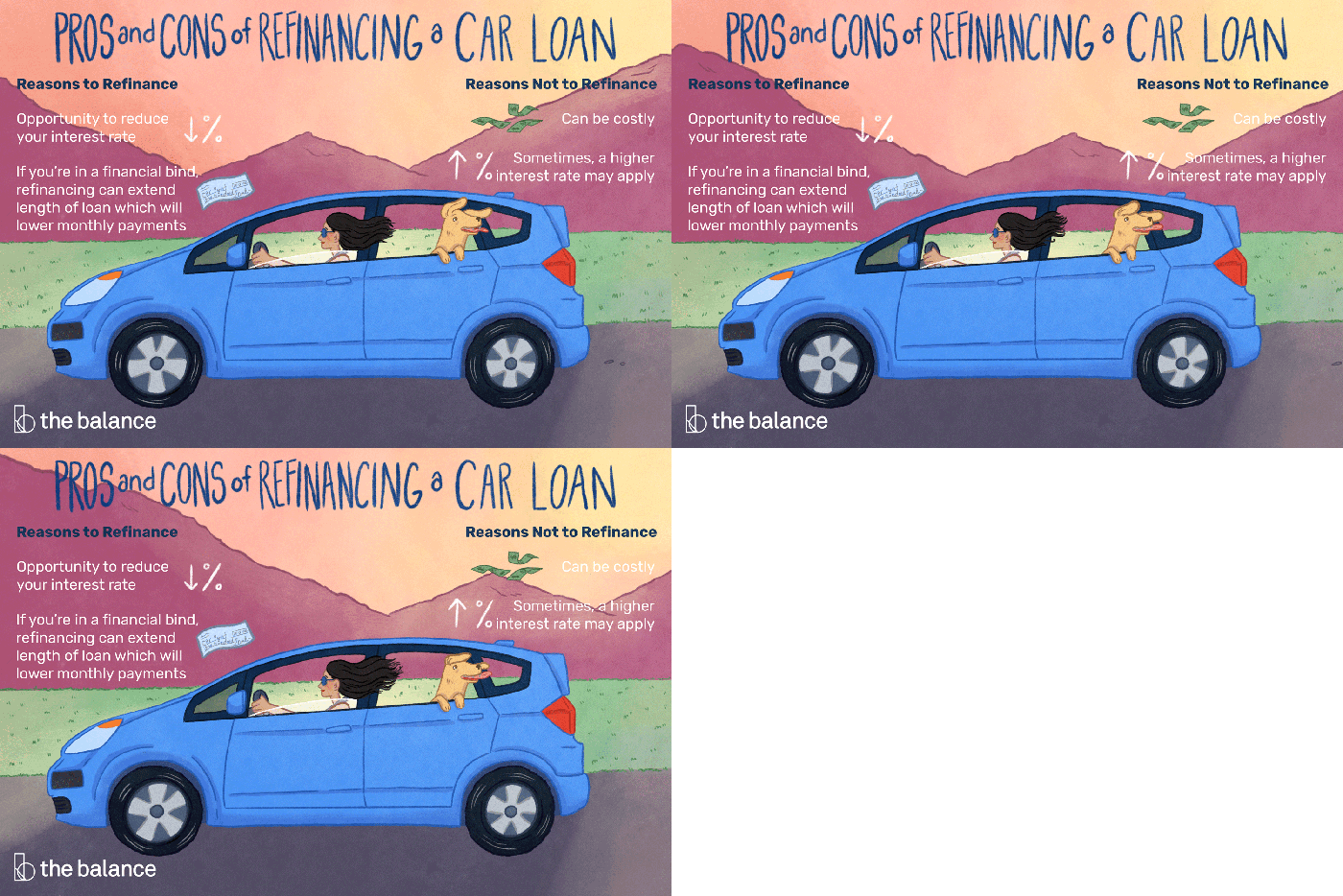
When considering refinancing your auto loan, it's important to understand the steps involved, the documentation required, as well as the timeline and potential costs associated with the process.
Steps Involved in Refinancing an Auto Loan
- Evaluate your current auto loan terms and compare them to potential refinance offers.
- Research and choose a reputable lender or financial institution to refinance with.
- Submit a refinance application with the chosen lender, providing necessary documentation.
- If approved, review and sign the new loan agreement.
- Coordinate with the new lender to pay off your existing auto loan.
Documentation Required for the Auto Refinance Process
- Proof of income: Pay stubs, tax returns, or bank statements to verify your ability to repay the loan.
- Vehicle information: Details about your car, including make, model, VIN, and mileage.
- Current loan details: Statement from your existing lender showing the remaining balance.
- Personal identification: Driver's license, social security number, and other forms of ID.
Timeline and Potential Costs Associated with Refinancing
- The timeline for the auto refinance process can vary but typically takes a few weeks to complete.
- Potential costs may include application fees, title transfer fees, and possibly early repayment penalties from your current lender.
- It's important to carefully review all costs and fees associated with refinancing to ensure it makes financial sense for your situation.
Process of Getting a New Loan
When considering obtaining a new loan for a vehicle purchase, there are several steps involved in the process. From application to approval and disbursement, understanding these stages is crucial for a successful loan acquisition.
Application Stage
- Fill out the loan application form provided by the lender, which typically includes personal information, financial details, and the purpose of the loan.
- Submit any required documents such as proof of income, identification, and credit history to support your application.
- Wait for the lender to review your application and assess your creditworthiness to determine the loan amount and terms.
Approval Stage
- Once your application is reviewed, the lender will decide whether to approve or deny your loan request based on factors like credit score, income, and debt-to-income ratio.
- If approved, you will receive a loan offer detailing the terms and conditions, including interest rate, repayment schedule, and any fees associated with the loan.
- Review the offer carefully, making sure you understand all the terms before accepting the loan.
Disbursement Stage
- After accepting the loan offer, the lender will disburse the funds either directly to the seller or to your account, depending on the type of loan and purchase arrangement.
- Use the disbursed funds to complete the vehicle purchase, ensuring that the transaction is in accordance with the loan agreement.
- Start making regular payments according to the repayment schedule Artikeld in the loan agreement to repay the borrowed amount plus interest.
Comparison of Documentation
- For a new loan, you may need to provide similar documentation as with auto refinance, such as proof of income, identification, and credit history.
- However, additional documents related to the vehicle purchase, such as the purchase agreement, vehicle details, and insurance information, may be required for a new loan.
- It is essential to have all necessary documents ready and in order to expedite the loan application process and increase the chances of approval.
Last Point
In conclusion, the choice between Wells Fargo Auto Refinance and a New Loan hinges on various factors, ultimately impacting your financial well-being. Consider your circumstances carefully before making a decision to ensure you secure the best option for your situation.
FAQ Overview
What factors should I consider when deciding between auto refinance and a new loan?
Consider your current interest rates, credit score, and overall financial situation to determine which option aligns best with your needs.
What are the key differences between auto refinance and taking out a new loan for a vehicle?
Auto refinance involves restructuring your existing loan, while a new loan is a fresh financing option for purchasing a vehicle. Each has its advantages and drawbacks based on individual circumstances.
How can I start the process of auto refinance with Wells Fargo?
To begin the auto refinance process with Wells Fargo, gather necessary documentation such as your current loan details, income information, and identification documents before contacting the bank to explore your options.