
Consumer-Centric Market Models in the Digital Era set the stage for a dynamic shift in business strategies, focusing on meeting the evolving needs and preferences of consumers in today's tech-savvy world. This intriguing topic delves into the realm of customer-centricity in the digital landscape, offering a fresh perspective on how businesses can thrive by putting consumers at the forefront of their operations.
As we explore the various facets of this transformative approach, we uncover the pivotal role of technology, the nuances of consumer behavior, and the strategies that drive successful implementation of consumer-centric market models.
Definition of Consumer-Centric Market Models
Consumer-centric market models focus on placing the needs and preferences of consumers at the core of business strategies. This approach involves tailoring products, services, and marketing efforts to meet the specific demands of the target audience. By prioritizing consumer satisfaction and engagement, companies can build stronger relationships with their customers and drive business growth.
Examples of Businesses Implementing Consumer-Centric Market Models
- Amazon: Amazon utilizes consumer data to personalize product recommendations and provide a seamless shopping experience for its customers.
- Netflix: Netflix analyzes viewer behavior to offer personalized content suggestions, enhancing user satisfaction and retention.
- Zara: Zara leverages real-time data to quickly respond to changing fashion trends and adapt its product offerings to suit consumer preferences.
Importance of Adapting to Consumer Preferences in the Digital Era
Adapting to consumer preferences in the digital era is crucial for businesses to stay competitive and relevant in a rapidly evolving market landscape. With the rise of e-commerce, social media, and data analytics, consumers have more choices and power than ever before.
Companies that fail to understand and meet the changing needs of their target audience risk losing market share and falling behind their competitors. Embracing consumer-centric market models allows businesses to build trust, loyalty, and long-term relationships with customers, driving sustainable growth and success in the digital age.
Characteristics of Digital Era Consumer Behavior
In the digital era, consumer behavior has undergone significant changes due to advancements in technology and the widespread use of the internet. This has led to a shift in how consumers interact with brands, make purchasing decisions, and engage with products and services.
Increased Connectivity and Information Access
With the rise of smartphones and social media platforms, consumers now have access to a wealth of information at their fingertips. They can easily research products, read reviews, compare prices, and seek recommendations from their peers before making a purchase decision.
Personalization and Customization
Digital technologies have enabled companies to gather vast amounts of data about consumer preferences and behaviors. This data is used to create personalized shopping experiences, targeted advertising, and product recommendations tailored to individual consumers.
Omni-Channel Shopping Experience
Consumers today expect a seamless shopping experience across various channels, including online stores, mobile apps, social media platforms, and physical stores. They may browse products online, visit a store to try them out, and then make the final purchase on their mobile device.
Instant Gratification and Convenience
The digital era has created a culture of instant gratification, where consumers expect fast and convenient shopping experiences. Services like same-day delivery, one-click purchasing, and subscription-based models have become increasingly popular among modern consumers.
Empowerment and Engagement
Technology has empowered consumers to voice their opinions, provide feedback, and engage with brands on social media platforms. This level of interaction has shifted the power dynamic between consumers and companies, leading to a more customer-centric approach to marketing and sales.
Strategies for Developing Consumer-Centric Market Models
In today's digital era, businesses are recognizing the importance of shifting towards consumer-centric market models to stay competitive and relevant. By focusing on understanding consumer needs and preferences, companies can tailor their products and services to meet and exceed customer expectations.
Conducting Market Research
Market research plays a crucial role in developing consumer-centric market models. Businesses need to gather data on consumer behavior, preferences, and trends to make informed decisions. This includes conducting surveys, analyzing social media interactions, studying competitor strategies, and utilizing focus groups.
By gathering and analyzing this data, companies can better understand their target audience and adjust their offerings accordingly.
- Utilize online surveys and feedback forms to gather direct input from consumers.
- Monitor social media platforms to track consumer sentiments, opinions, and trends.
- Study competitors to identify gaps in the market and areas for improvement.
- Engage with focus groups to gain deeper insights into consumer preferences and pain points.
Role of Data Analytics
Data analytics is essential in creating consumer-centric strategies as it allows businesses to extract valuable insights from the vast amount of data available. By leveraging data analytics tools, companies can identify patterns, trends, and correlations in consumer behavior to make data-driven decisions.
Data analytics helps businesses personalize marketing campaigns, optimize pricing strategies, and improve product development based on consumer preferences.
- Segment consumer data to target specific demographics with tailored marketing messages.
- Track consumer interactions with products/services to identify areas for improvement.
- Utilize predictive analytics to forecast consumer behavior and adjust strategies accordingly.
- Implement A/B testing to experiment with different approaches and determine the most effective strategies.
Technology’s Impact on Consumer-Centric Market Models
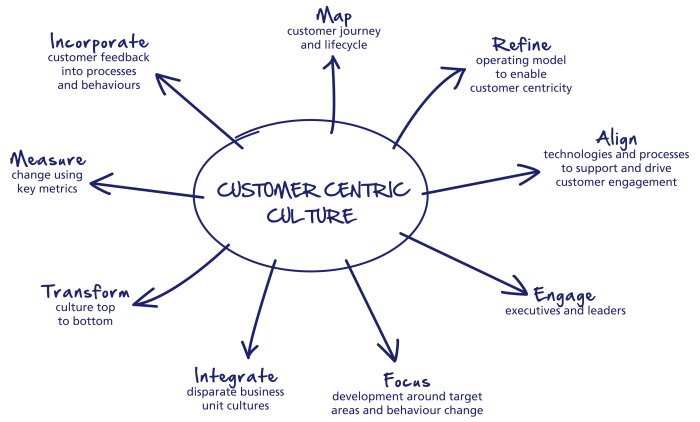
Technology has played a significant role in revolutionizing consumer-centric market models in the digital era. With the rapid advancement of technology, businesses are now able to better understand and cater to the needs and preferences of their consumers. This has led to the development of innovative strategies and tools that enhance the overall consumer experience.
Innovative Technologies Shaping Consumer Experiences
Advancements in artificial intelligence (AI) and machine learning have enabled businesses to analyze vast amounts of consumer data in real-time. This allows companies to personalize their marketing efforts and tailor products and services to individual consumer preferences. For example, recommendation engines on e-commerce platforms use AI algorithms to suggest products based on a user's browsing history and purchase behavior.
Furthermore, the Internet of Things (IoT) has transformed consumer interactions with products and services. Connected devices collect data on usage patterns, enabling companies to offer proactive maintenance services and personalized recommendations. For instance, smart home devices can learn a user's daily routine and adjust settings accordingly, providing a seamless and personalized experience.
Challenges and Opportunities in Implementing Consumer-Centric Strategies
While technology offers numerous opportunities for businesses to enhance consumer-centric market models, it also presents challenges. One of the main challenges is ensuring data privacy and security in an increasingly digital world. Companies must prioritize consumer trust by safeguarding sensitive information and being transparent about data collection practices.
Another challenge is the rapid pace of technological advancements, which requires businesses to constantly adapt and innovate to stay ahead of the competition. However, this also presents opportunities for companies to differentiate themselves by leveraging cutting-edge technologies to deliver unique and personalized consumer experiences.
Closing Summary
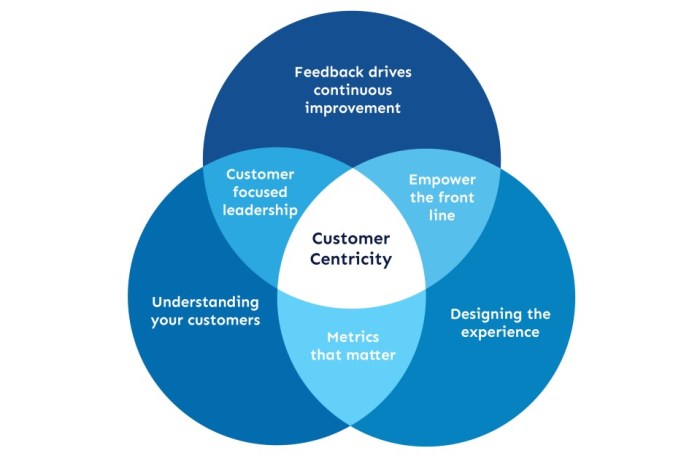
In conclusion, Consumer-Centric Market Models in the Digital Era represent a paradigm shift that empowers businesses to create meaningful connections with their target audience. By embracing consumer preferences and leveraging technological advancements, companies can navigate the competitive landscape with agility and innovation, ultimately driving growth and sustainability in the digital age.
Q&A
How can businesses effectively implement consumer-centric market models?
Businesses can implement consumer-centric market models by prioritizing customer feedback, personalizing experiences, and leveraging data analytics to understand consumer preferences.
What are some examples of innovative technologies shaping consumer experiences?
Examples include artificial intelligence for personalized recommendations, augmented reality for immersive shopping experiences, and chatbots for instant customer support.
Why is it crucial for companies to adapt to consumer preferences in the digital era?
Adapting to consumer preferences is vital for staying relevant and competitive, as consumer expectations evolve rapidly in the digital age.