
The Role of AI in Predictive Market Analytics sheds light on the fusion of artificial intelligence with market analysis, offering a fresh perspective on how businesses can leverage cutting-edge technology to make informed decisions.
As we delve deeper into this captivating topic, we uncover the intricate relationship between AI and predictive market analytics, paving the way for a transformative journey in the realm of business intelligence.
The Basics of Predictive Market Analytics
Predictive market analytics is the process of using historical data, statistical algorithms, and machine learning techniques to forecast future market trends and consumer behavior. This approach helps businesses make informed decisions, identify potential opportunities, and mitigate risks in a dynamic market environment.
Significance in Business Decision-Making
Predictive market analytics plays a crucial role in business decision-making by providing insights into customer preferences, demand forecasting, pricing strategies, and competitive analysis. By leveraging advanced data analysis techniques, companies can optimize their marketing campaigns, improve product development, and enhance overall operational efficiency.
Examples of Industries Benefiting from Predictive Market Analytics
- Retail: Retailers use predictive analytics to optimize inventory management, personalize marketing strategies, and forecast sales trends.
- Finance: Financial institutions utilize predictive analytics for risk management, fraud detection, and investment portfolio optimization.
- Healthcare: Healthcare providers leverage predictive analytics for patient diagnosis, treatment planning, and resource allocation.
Differences from Traditional Market Analysis Methods
Predictive market analytics differs from traditional market analysis methods by focusing on predictive modeling and forecasting rather than historical data interpretation. While traditional methods rely on past trends and patterns, predictive analytics uses algorithms to predict future outcomes based on current data trends and patterns, allowing businesses to anticipate market changes and make proactive decisions.
AI’s Role in Enhancing Predictive Market Analytics
Artificial Intelligence (AI) plays a crucial role in enhancing predictive market analytics by leveraging advanced algorithms and data processing capabilities to provide more accurate and insightful predictions.
Integration of AI in Predictive Market Analytics
AI technologies are seamlessly integrated into predictive market analytics processes to analyze vast amounts of data, identify patterns, and generate forecasts. Machine learning algorithms, neural networks, and natural language processing are commonly used to enhance predictive models and improve decision-making in financial markets.
- Machine Learning Algorithms: AI-powered machine learning algorithms, such as Random Forest, Gradient Boosting, and Support Vector Machines, are utilized to analyze historical market data and predict future trends with greater accuracy.
- Neural Networks: Deep learning techniques like neural networks are applied to recognize complex patterns in market data, enabling more precise forecasting of stock prices, market trends, and consumer behavior.
- Natural Language Processing (NLP): NLP algorithms are used to analyze news articles, social media posts, and other textual data to gauge market sentiment and predict the impact of news events on stock prices and market movements.
Successful Applications of AI in Predictive Market Analytics
AI has significantly improved the accuracy and efficiency of predictive market analytics, leading to successful applications in various sectors.
For example, hedge funds and investment firms use AI-powered predictive analytics to optimize trading strategies, identify profitable opportunities, and manage risks effectively.
- Algorithmic Trading: AI algorithms are employed to execute high-frequency trades based on real-time market data, enabling traders to capitalize on market inefficiencies and make split-second decisions.
- Risk Management: AI-based predictive models help financial institutions assess and mitigate risks by forecasting market fluctuations, identifying potential threats, and implementing proactive measures to safeguard investments.
- Customer Behavior Analysis: Retail companies utilize AI-driven predictive analytics to understand consumer preferences, anticipate demand patterns, and personalize marketing strategies for improved customer engagement and retention.
Challenges and Limitations of AI in Predictive Market Analytics
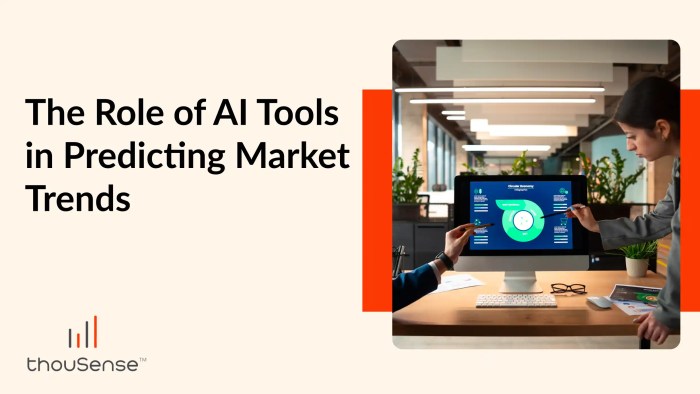
AI has undoubtedly revolutionized predictive market analytics, but it is not without its challenges and limitations. Let's delve into some of the common obstacles faced when implementing AI in this field and how businesses can navigate these hurdles effectively.
1. Data Quality and Quantity
One of the primary challenges with AI in predictive market analytics is the availability and quality of data. AI algorithms heavily rely on vast amounts of accurate data to make accurate predictions. However, businesses often struggle with incomplete, outdated, or poor-quality data, leading to inaccurate forecasts.
2. Interpretability of AI Models
Another limitation of AI technologies in predictive market analytics is the lack of transparency in AI models. Complex algorithms used in AI can be difficult to interpret, making it challenging for businesses to understand how predictions are made or to explain them to stakeholders.
3. Overfitting and Bias
AI models in predictive market analytics are susceptible to overfitting, where the model performs well on training data but poorly on new data. Additionally, biases in data collection or algorithm design can lead to skewed predictions, impacting the accuracy and reliability of market trend forecasts.
4. Resource Constraints
Implementing AI in predictive market analytics requires significant resources in terms of infrastructure, skilled personnel, and ongoing maintenance. Many businesses, especially smaller organizations, may struggle to invest in these resources, hindering the effective utilization of AI technology.
Ethical Implications of AI in Predictive Market Analytics
AI technology has revolutionized the field of predictive market analytics, offering unprecedented insights and opportunities. However, the use of AI in this context also raises significant ethical concerns that need to be carefully considered and addressed to ensure responsible and fair practices.
Potential Biases Introduced by AI Systems
AI systems are not immune to biases, and when used in predictive market analytics, these biases can significantly impact the accuracy and fairness of market predictions. One common concern is algorithmic bias, where AI systems may inadvertently reflect the biases present in the data used to train them.
This can lead to discriminatory outcomes, perpetuating existing inequalities in the market.
Another issue is the lack of transparency in AI decision-making processes. Black-box algorithms make it difficult to understand how predictions are generated, making it challenging to identify and rectify biases. This opacity can result in decisions being made without accountability or justification, raising serious ethical questions about the use of AI in market analytics.
Strategies to Ensure Ethical AI Usage
- Implementing Diversity in Data: Ensuring that the data used to train AI models is diverse and representative of different demographics can help mitigate biases and promote fairness in market predictions.
- Regular Audits and Monitoring: Conducting regular audits of AI systems and monitoring their performance can help identify and address biases before they have significant consequences. This proactive approach can enhance transparency and accountability in predictive market analytics.
- Ethics Guidelines and Standards: Establishing clear ethics guidelines and standards for the use of AI in market analytics can provide a framework for responsible decision-making. Adhering to these guidelines can help prevent unethical practices and ensure that AI is used ethically and responsibly.
Final Wrap-Up
In conclusion, The Role of AI in Predictive Market Analytics unveils a world where data-driven insights and AI capabilities converge to redefine the landscape of market analysis, promising exciting opportunities and challenges for businesses navigating the future of commerce.
Question Bank
What are the key benefits of incorporating AI in predictive market analytics?
By leveraging AI, businesses can enhance predictive accuracy, identify trends faster, and make data-driven decisions with greater confidence.
How can businesses mitigate biases in AI-based market predictions?
Implementing diverse datasets, regular model audits, and transparency in AI algorithms can help mitigate biases and ensure ethical AI usage in predictive market analytics.
What are the most common challenges faced when integrating AI into predictive market analytics?
Some common challenges include data quality issues, lack of skilled professionals, and the need for continuous adaptation to evolving market dynamics.